Staying warm in the cold!
Old man winter isn’t letting up on us yet.
Be safe and stay warm!!!

Staying warm in the cold!
Old man winter isn’t letting up on us yet.
Be safe and stay warm!!!

JJ McLellan – Broken Pipe – Froze and burst!
When water freezes it expands, this is why if your pipes freeze they can and will burst – such as in the photo!
Open your cupboard doors – If you are worried about your pipes freezing and the potential of bursting… If you have pipes/taps on outside walls, open your cupboard doors to allow heat from your home in.
Heat from a lamp – If that doesn’t help plug a lamp in and put it under the sink (safely… not near anything flammable!) the heat from the bulb will help.
Run water – If you are really concerned, turn on the tap and let it run, a small consistent stream will help prevent freezing.
Insulate – If your home is very old and does not have a lot of insulation in the walls you could add some foam board insulation to the back of your kitchen cabinet to help prevent freezing.
What if I dont have a basement? If you live in a mobile home or a home with a crawl space, ensure you have heat tape for your pipes and that the underneath of the home is properly insulated and sealed! If your home was built on a slab on grade most likely you will have in floor heating, ensure the heating system is kept at a consistent temperature and have your system maintained regularly.
Getting away from the cold – If you are going away ensure you have someone checking on your home at least once a day – twice in cold weather like this.
Consistency – When the weather turns cold it is very important to keep your thermostat at a consistent temperature even during the night. Set your thermostat at a comfortable level and leave it.
Its too late… what should you do?
If your pipes have froze you can try to thaw them yourself. First open your taps, second use a heat source such as a hair dryer or a small portable heater. Be very careful to ensure you remove anything flammable prior to applying heat – especially in the kitchen if there are cleaners in the cabinets.
If you are not able to get your pipes thawed its time to call the professionals. Our plumbers have dealt with many frozen pipes! Either way once you get your problem solved – ensure you will be ok for the next deep freeze with proper insulation such as wall insulation, floor insulation, pipe insulation and heat tape.
Do not wait until you have issues to take preventative action. Ensure you have proper wall insulation, ensure the underside of your home (this includes basements) is insulated properly. If you are already planning a renovation pipes can be re-routed to lessen the chance of freezing. Unless you are considering gutting an older home back to the studs to completely re-insulate the home, sometimes in an older home re-routing the plumbing is the best option to get the pipes off of an outside wall. The costs for preventative maintenance will be well worth the costs you could face if your pipes freeze and burst!
Unsure of what you should do? Feel free to give Mike our Comfort Advisor a call he would be happy to recommend some options for you to ensure your home is safe!
Stay Warm!!!
The good people at Lennox have offered some excellent tips to “Stay Bold Against The Cold” in their recent Comfort Matters post! Check out their great tips for you and your home to stay warm in this cold winter weather.
As always please remember to ensure your furnace filter is clean or changed regularly.
When the temperatures drop OR we get a lot of snow, checking your heating vents is very important. When it is very cold outside (like today), when your furnace vents the vapour can crystallize over the vents when it hits the cold winter air. Be sure to check the vents at least once a day to ensure they are clear, twice if you are experiencing issues with your system. The same when we get a lot of snow, ensure your vents are clear.
Why is it important to keep the vents clear? The heating system has to breathe, if it cannot bring in fresh air and exhaust the stale air your system will not be able to work properly and will shut down.
What do the vents look like? If they are out the side of your house they will look similar to this…
 The pipe pointing down is the intake, the pipe straight out is the exhaust. They do require a minimum of 12″ all around them to work properly with the heating system.
When in doubt, once you’ve made sure your filter is clean, your vents are clear and have tried to reset your system… give us a call at 1-866-565-5513.

-Ensure you have a source of heat in the location where pipes are located.
-If your pipes are located in a crawl space without heat ensure they are properly insulated.
-Have a small heater to use in an emergency if you need to thaw lines.
-Leave your cupboard doors open if your pipes are located on an outside wall.
-Check your pipes during very cold weather. If the pipes freeze, thaw, freeze, thaw they could cause a breakage such as the one in the photos where the pipe was literally broke apart.
-Ensure that you have water shut off valves (such as the one with the blue handle) so that IF you did have a leak or breakage you would not have to shut off all your water to your entire home.
-If you know you are going to be away for an extended period of time OR are without hydro/heat ensure you have some antifreeze on hand to winterize your pipes and prevent any breakage.
Check your vents for ALL heating appliances!!! With the amount of snow that fell during the night and the wind yesterday, the vents may have become clogged. Check your exhaust AND intake! Stay warm today 🙂
The fall is upon us, personally my favourite time of year! Warm sunshine, cool nights, gorgeous colours, whats not to love! Cool evenings, snuggled under a blanket or sitting beside a roaring campfire or indoors with a gas fireplace, its a wonderful time of year!

For us its also a very exciting and busy time as heating season begins!!!
Did you know that your furnace, air conditioner, HRV and humidifier all work together along with your thermostat? Investing in a home comfort system is truly an investment into your home, especially if your equipment is 15+ years old.
It is especially important in newer homes or renovated homes to ensure proper circulation and ventilation of the air within the home. Many new homes and renovated homes are sealed to ensure proper energy efficiency with heating and cooling systems. Potential drawbacks is if an HRV is not installed, the air within the home will become stale and could potentially cause issues with illnesses etc. Homes need to breathe – properly with the equipment designed to also keep your family safe!
With the use of an energy efficient heating system combined with an HRV you can rest assured your family will breathe easier and be much more comfortable. How? An HRV exchanges air with the outside, through a filter. Your HRV vents are located within the washrooms, laundry room and kitchen of the home – all rooms where you want to ensure moisture, smells and potential air borne germs can be hanging out.
Home comfort doesn’t just rely on an HRV, your home heating system is very important, especially remembering to change your filters! All the air within your home travels through your heating system (for forced air heat), this air comes through your cold air returns, through your heating system and comes out your heat registers in your home. While cycling through the heating system various particles, dirt etc is caught. The more dirt and particles that are caught in the filter, the harder it is for your heating system to work efficiently and properly. If a filter becomes plugged this can be dangerous and burn out your heating system! Whats worse is if this happens in the middle of winter!!!
As a Lennox Premier Dealer we can assure you we will be here for many more years and we can assure you we only offer quality products with the availability of a 10 year extended complete care warranty as well as very affordable financing options with the option to pay any amount at anytime with no penalties!
Check out some tips from Lennox about Considering A Home Comfort System.
We Are The Home Comfort People! … Stay comfortable 🙂
Many of us at some point in our adult life will buy and sell our home, even multiple times. Speaking from experience, when we went searching for our home we had a fairly specific list of features.
Top of that list was the house must have or be able to have gas service.
Why?
Its simple. Bottom line, its more affordable – that was my main reason. Having the convenience of a gas BBQ, gas stove, gas dryer, gas hot water heater… and gas heat.
Well for us we lucked out – we found a house that fit all our needs AND had gas service. We had to compromise on an electric wall oven with a gas cook top – yes I even searched for a gas wall oven… We also had to compromise on geothermal heat – yes being in the business it is an affordable and environmental way to heat and cool… but not when you have gas available for heating! Quite honestly we will be making the change so our heating is primarily gas.
So … what if you are thinking of selling your home and your home has baseboard heat?
Homes with electric baseboard heating are not sought out nor preferred, for many home buyers they are a turn off. The biggest reason being its expensive, next to that the air doesn’t circulate as well and you wont be able to install central air conditioning – although there is options such as mini splits.
Bottom line is if you have gas in your home and forced air heat/cooling you will have added value.
So what can you do if you have baseboard electric heat? If you want to max out your selling price … You can install a new furnace, a/c and duct work…
Installing an HVAC Comfort System to sell a home is a value added selling benefit where you will recoup your costs. This type of upgrade is vastly different than installing new flooring or even a new kitchen.
Why? The HVAC System is not as aesthetically key as your home decor which is much more personable and customized to the home owner. Notice how I do mention its “not as” … I know my technicians would tell me different – it is very important 😉 The HVAC system is located in the basement, it is not something that is seen by your guests or something that you choose based on colour or look. The system is however chosen based on comfort – the comfort of you, your family and friends during all 4 seasons of the year.
The approximate cost of installing duct work, a new furnace and new a/c in a home with baseboard heat will vary based on the size of the home, whether the basement is finished, the ease of installation, the models you choose etc. For the sake of numbers lets play with $15,000.
With our financing option through SNAP Financial you CAN afford to make this upgrade to your home, especially if you would like to make it more appealing to buyers.
The beauty of SNAP is it works much like a line of credit would – you have set payments each month, however if you would like to make lump sum payments or double up your payments – you can do so at any time without penalty! Perfect for someone who may be listing their home…
Working with our number from above:
Purchase price of $15,000
Monthly payment of $162/mth
7.95% interest.
Why buy quality equipment if you are selling? This definitely is a selling feature. As a Premier Lennox Dealer we pride ourselves on the quality of the equipment along with their energy efficiency.
1. Lennox® offers the quietest high-efficiency furnace you can buy.
2. Variable speed technology can enhance your comfort and save you hundreds of dollars each year.
Oh and an added benefit to YOU!
Install the system during one of our promotions and you will get rebates on the system – which means money back in your pocket!!!
Happy Selling!

Photo courtesy of Regency.
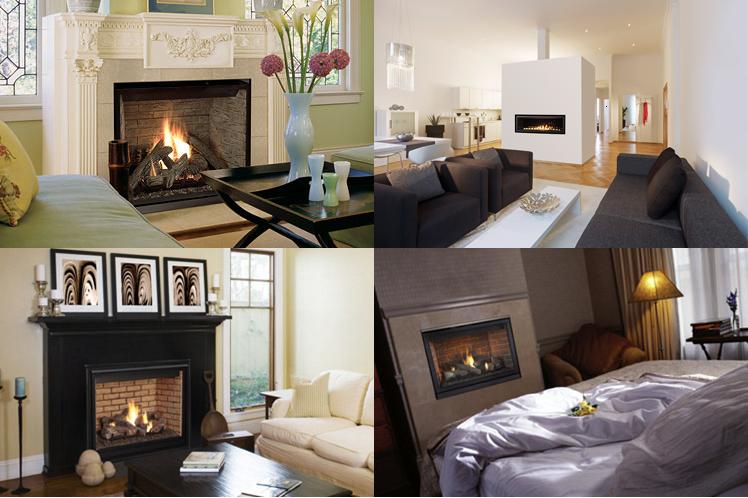
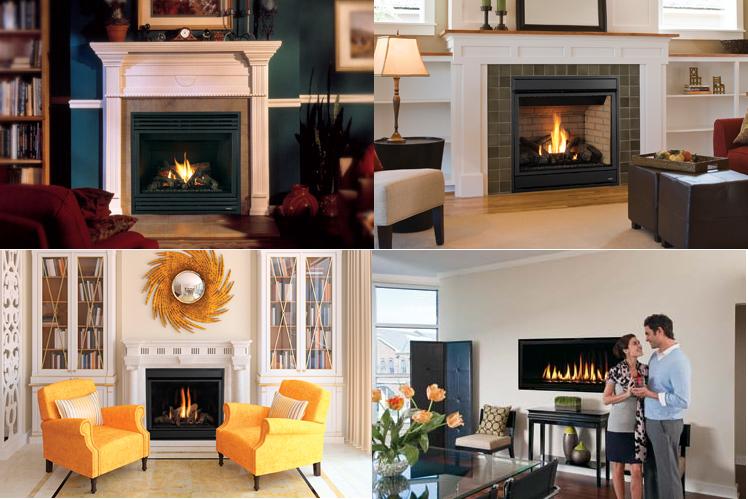
Fall is upon us, along with cool evenings! What better way to warm up than with a gas fireplace from Regency! Enjoy the convenience and ease of an energy efficient gas fireplace, comfortable heat with the flick of a switch!
You can also rest assured that your Regency Fireplace will provide you with years of comfort as they have a lifetime warranty on some of the very important parts of the fireplace.
Directly from the Regency Website below…
The Regency Limited Lifetime Warranty covers:
Gas Products:
Combustion chamber
Heat exchanger
Burner tubes / pans
Ceramic glass
Brick panels
Gold plating
Embers, pebbles, crystals, stones
The information below is directly from the TSSA website and can be found directly by clicking HERE. Please see the information below for instructions of how you should proceed IF you have a fireplace which falls into the criteria below.
As we typically sell Regency Fireplaces (for outdoor purposes we have supplied and installed outdoor Lennox Hearth Fireplaces) so we are passing on this information directly as we have received it. Remember to always have a licensed gas technician perform any work in your home or business!
This recall involves natural gas or propane Lennox and Superior brand fireplaces with the following model and serial numbers:
The model, serial number and the Lennox or Superior brand names are printed on the rating plate located in the control box area of the fireplace.
Defective fireplace gas connectors can leak, posing a fire hazard.
Lennox Hearth Products has received eight reports, three of which were in Canada, of gas connectors leaking in fireplaces. No injuries have been reported.
Health Canada has not received any reports of incidents or injuries related to the use of these fireplaces in Canada.
Approximately 1,800 of the recalled fireplaces were sold at fireplace stores and by HVAC retailers and installers in Canada.
The recalled fireplaces were sold from April 2012 through December 2012.
Manufactured in the United States.
Images (select thumbnail to enlarge)


Consumers should stop using the recalled gas fireplaces immediately, turn off the gas to the fireplace and contact Lennox Hearth Products for a free inspection and replacement of the leaking gas connector. Lennox Hearth Products and its distributors are contacting purchasers directly.
For more information, consumers may contact Lennox Hearth Products at 1-800-655-2008 from 8 a.m. to 4 p.m. CT Monday through Friday, or online and click on “Recall Info” at the bottom of the page.
Please note that the Canada Consumer Product Safety Act prohibits recalled products from being redistributed, sold or even given away in Canada.
Health Canada would like to remind Canadians to report any health or safety incidents related to the use of this product or any other consumer product or cosmetic by filling out the Consumer Product Incident Report Form.
With the heat wave we are feeling, water conservation is very important. Especially if you are on a well.
Here are some excellent tips from Home Water Works, a project of the Alliance for Water Efficiency. Please check out their link below.
Laundry
When doing laundry, always wash full loads.
Conventional washers built before 2011 typically use about 40 gallons per load; resource-efficient washer may use as little as 15 gallons per load.
Adjust the water level in the washer to the amount needed for the load. Some of the new efficient washers will do this automatically.
When it’s time to replace the clothes washer, choose a high-efficiency washer with a low water factor.
The smaller the water factor, the more efficient the clothes washer.
Dishwashing
If washing dishes by hand, fill the sink with water rather than continually running the tap.
Install an efficient dishwasher.
Technological advances in dishwashers make it possible to use less water to achieve the same goal. Selecting a new dishwasher that uses less water per cycle will reduce household water use.
Only wash full loads of dishes in the dishwasher.
Faucets
Find and fix any leaky faucets.
A faucet leaking 60 drops per minute will waste 192 gallons per month. That is equal to 2,304 gallons per year.
Install efficient faucets and/or faucet aerators.
Turn off the faucet. When lathering hands, shaving, or brushing teeth.
Landscaping
Keep soil healthy and add mulch to prevent water loss through evaporation.
If watering with a hose, make sure it has a shut-off nozzle.
Water in the morning to prevent water loss due to evaporation. Avoid watering when it is windy.
Use a rain barrel to collect water for use in the landscape.
Add a graywater system to collect water from your washing machine or shower and bath, and use it in the landscape.
Showers
If it takes a long time for the hot water to reach the shower, use it as an opportunity to collect water for other uses, such as watering houseplants.
Replace showerheads that have a flow rate greater than 2.5 gallons per minute.
If the showerhead is not labeled, the flow rate can be checked by catching the water in a 1-gallon bucket. If it takes less than 24 seconds to fill up, the showerhead flow rate is more than 2.5 gallons per minute. The U.S. EPA WaterSense program labels efficient showerheads that use a maximum 2.0 gallons per minute.
For more information and resources, visit the AWE Residential Shower Introduction Page.
Take shorter showers.
Reducing a 10-minute shower to 5 minutes will save 12.5 gallons of water if the showerhead has a flow rate of 2.5 gallons per minute (even more if the showerhead has a higher flow rate).
Toilets
Replace toilets installed before 1994 (1992 for Texas and California) with High-Efficiency Toilets (HETs).
Replacing an older toilet that uses 3.50 gallons per flush (gpf) with a HET that uses 1.28 gpf will save 2.22 gpf. The EPA WaterSense program labels efficient toilets that use a maximum 1.28 gpf.
If the toilet is flushed an average of six times each day it will save 13 gallons per day or 4,745 gallons per year. Some older toilets may use as much as 7 gallons per flush.
Check toilets to verify they are working properly.
Make sure the water level is not too high, the fill valve is working properly, and the flapper is not leaking. A running toilet can waste hundreds of gallons of water per day.
For more information on checking a toilet, visit the H2Ouse Water Saver Home Toilet Page.
Other
Check water bills for any instances of high water use, as this may be an indication of a leak.
Leaking faucets, leaking toilets, and leaking pipes all have something in common, they waste a lot of water! Your water bill will often show abnormal water consumption if there is a leak. Many water utilities have information on how to read your water bill online.
Composting food wastes saves water by reducing the water needed to run a garbage disposal.
Pool owners can use a cover to reduce water loss through evaporation. A pool cover can also save energy and reduce the need for chemicals.
Sweep outdoor surfaces with a broom instead of using a hose.
Wash vehicles at a carwash that recycles its water. If washing at home, make sure the hose has a shutoff valve.
